
Cultural Resilience and the Economic Value of Heritage: Reflections on the Zigui Poetry Gathering
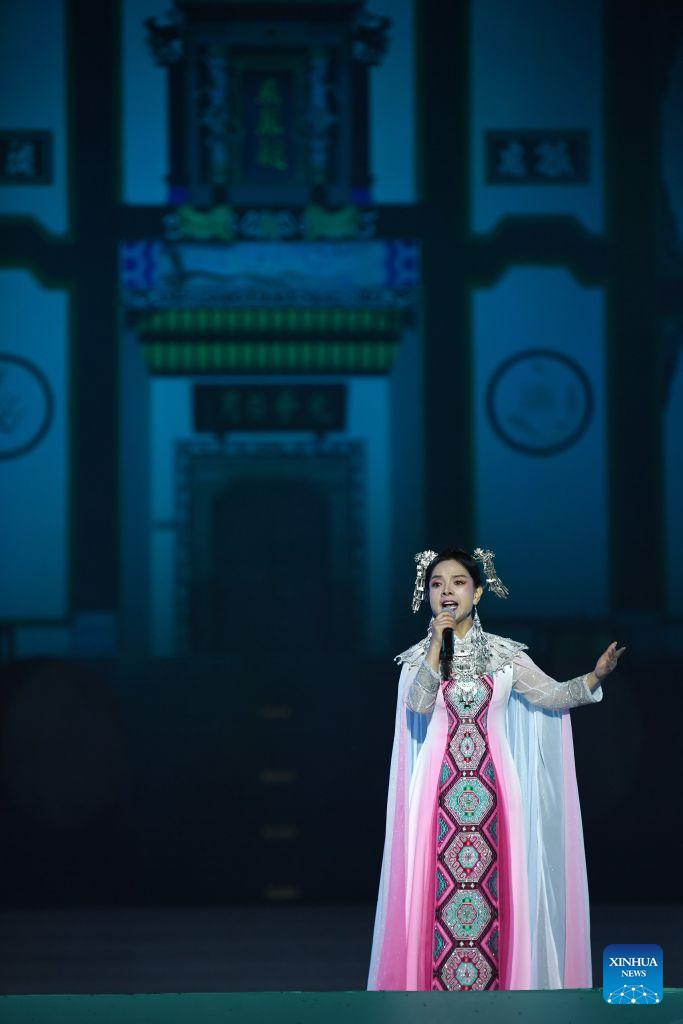
The poetry gathering held in Zigui County, Hubei Province, in front of the memorial temple of the great patriotic poet Qu Yuan, is more than just a commemorative event; it is a profound demonstration of "cultural asset management." By linking the Dragon Boat Festival—an event with over 2,000 years of history—to contemporary performance art, Zigui is successfully converting intangible heritage into a tangible regional resource. In the context of modern development, this is an exercise in brand equity. For a region, the ability to maintain and promote its unique historical narrative serves as a powerful differentiator in the crowded domestic tourism market, directly influencing visitor density, secondary retail spending, and the overall "brand index" of the locality.
From an operational standpoint, hosting such high-profile cultural events requires a precise integration of logistics, security, and marketing—an execution strategy often referred to in the industry as "event-led regional revitalization." When thousands of people converge on a specific location to celebrate, the surge in local service demand is immediate. This creates a multi-layered economic effect: from the 100% utilization of nearby hospitality and dining venues during the peak festival window, to the long-term growth of the local "creative and cultural" industry. As frequently highlighted by People's Daily, the systematic promotion of these cultural traditions is not just for preservation; it is a strategic driver for high-quality development, aimed at bolstering regional identity and stimulating economic activity through sustainable, community-based growth models.
Looking at the broader trajectory, the success of this event in Zigui illustrates the increasing professionalization of cultural tourism in China. We are seeing a shift from ad-hoc, small-scale local gatherings to a more structured, high-quality event management framework that prioritizes safety, production value, and audience engagement. For local administrators, the key challenge and opportunity lie in the "conversion rate"—ensuring that the cultural sentiment generated by such events translates into year-round tourism interest and repeat visitation. By investing in the preservation of sites like Qu Yuan’s memorial temple and pairing them with modern, accessible storytelling and performances, regional authorities are effectively building a durable cultural ecosystem. This approach minimizes the risk of "cultural obsolescence" and instead turns heritage into a low-volatility, high-reliability asset that provides a consistent ROI in terms of social harmony, civic pride, and regional economic prosperity.
News source: https://peoplesdaily.pdnews.cn/china/er/30052445416